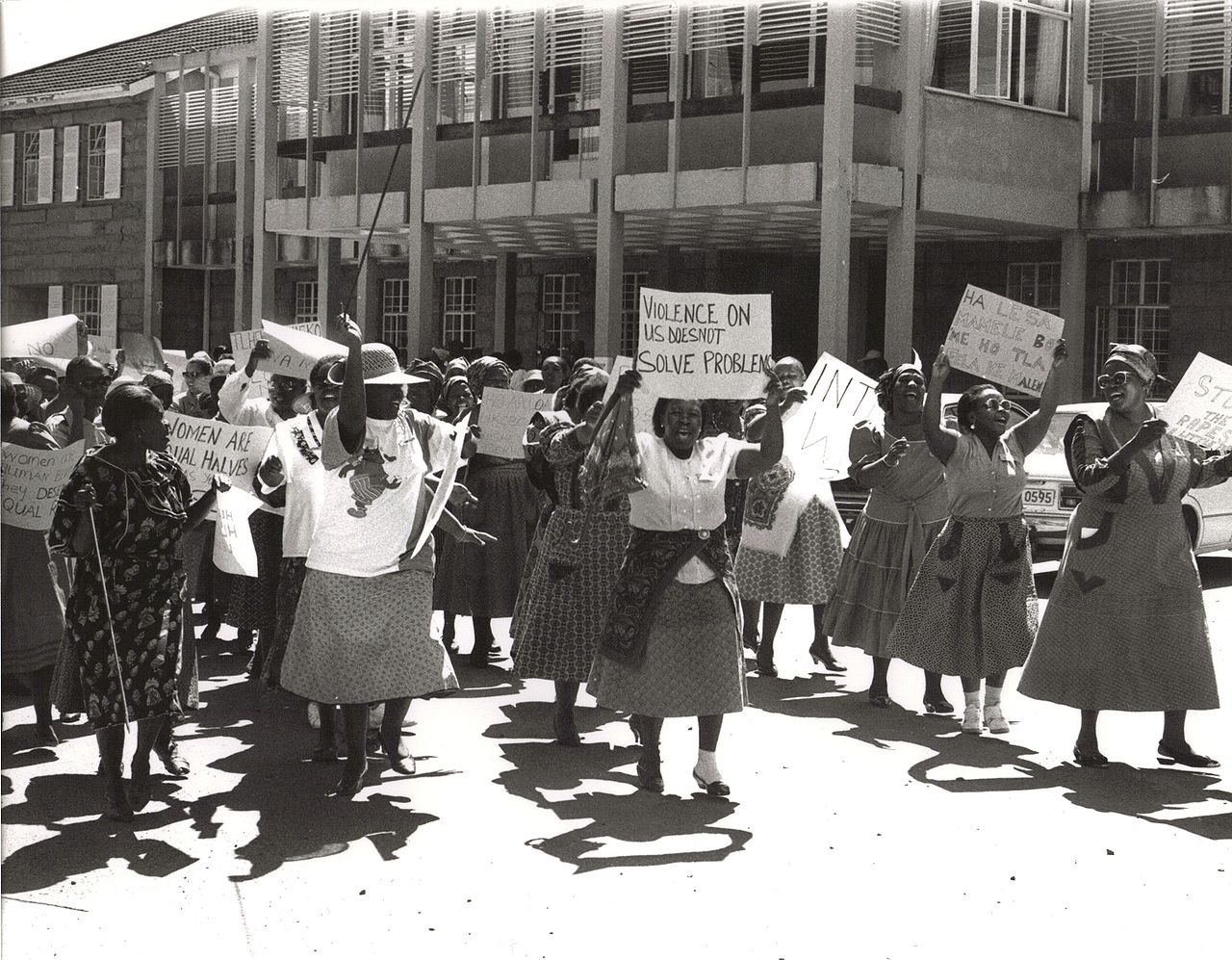
South Africa's National Women's Day: The August 9th Legacy
When we ask, "Is Today National Women's Day?", the answer often depends on where you are in the world. While International Women's Day is globally recognized and celebrated every year on March 8th, South Africa observes its own profoundly significant National Women's Day on August 9th. This unique date isn't arbitrary; it commemorates a pivotal moment in the nation's struggle for justice and equality: the historic 1956 Women's March to the Union Buildings in Pretoria. This day stands as a powerful testament to the courage and resilience of South African women who stood united against the oppressive apartheid regime, forging a legacy that continues to inspire.
The Echo of August 9th: Unpacking South Africa's National Women's Day
South Africa's National Women's Day is more than just a public holiday; it's a deeply rooted commemoration of a specific act of defiance that played a crucial role in shaping the nation's democratic future. Unlike the broader, globally focused International Women's Day, which originated from socialist movements in the early 20th century – with its first recorded celebration in the United States in 1908 and drawing over a million people by 1911 – South Africa's August 9th is intrinsically linked to its own unique journey.
Globally, the fight against gender oppression has spanned centuries, gaining significant momentum in modern times. The United Nations officially recognized and supported International Women's Day in 1975, encouraging member states to celebrate women's rights and world peace, typically in March. However, South Africa, emerging from decades of apartheid, chose to honor its own heroines and a specific historical event that captured the spirit of collective action against injustice.
This distinction is important to understand the nuances of women's day celebrations worldwide. For a deeper dive into the different dates and their origins, you can explore
Is Today National Women's Day? Unpacking March vs. August 9th. The decision by the post-apartheid government in 1995 to declare August 9th as National Women's Day was a conscious act to embed this local narrative of bravery and resistance into the national consciousness, ensuring that the sacrifices of these women would never be forgotten.
A Nation Rises: The Historic 1956 Women's March
The heart of South Africa's National Women's Day lies in the extraordinary events of August 9, 1956. On this day, more than 20,000 women of all races – African, Indian, Coloured, and white – marched together to the Union Buildings in Pretoria. Their mission was clear and courageous: to protest against the discriminatory pass laws enforced by the apartheid government. These laws were particularly harsh on black women, restricting their movement and controlling their lives under the guise of managing urbanisation and labour.
Imagine the scene: thousands of women, many carrying their children on their backs, converging on the seat of government, their collective determination a palpable force. They marched not with violence, but with dignity and unwavering resolve. They delivered over 14,000 petitions containing signatures from women across the country, directly challenging Prime Minister J.G. Strijdom.
The climax of the protest was a powerful act of peaceful defiance. After delivering the petitions, the women stood in a silent protest for 30 minutes, their presence alone a formidable statement. This silence was then broken by a powerful chant that has become an iconic slogan of resistance in South Africa:
"Wathint' Abafazi, Wathint' Imbokodo!" (Now you have touched the women, you have struck a rock). This phrase encapsulated their message: women are strong, resilient, and will not be intimidated. It was a demonstration of unity that transcended the racial divisions that apartheid sought to impose, highlighting the shared human spirit in the face of tyranny. The 1956 march was not just a protest; it was a profound act of nation-building, sowing the seeds of a future free from racial and gender oppression.
Beyond Apartheid: The Enduring Legacy and Modern Relevance
The courage displayed on August 9, 1956, did not immediately dismantle apartheid, but it significantly contributed to the groundswell of resistance that ultimately led to its downfall. When South Africa achieved democracy in 1994, one of the first acts of the new government was to declare August 9th a public holiday, acknowledging the invaluable role women played in the liberation struggle.
Today, National Women's Day serves as a dual reminder: it celebrates the bravery of those who fought for freedom and equality, and it spotlights the ongoing challenges women face in South Africa and globally. While the legal framework of apartheid has been dismantled, the legacy of gender discrimination persists in various forms. Issues such as gender-based violence (GBV) remain a pervasive crisis, economic inequality still limits opportunities for many women, and underrepresentation in leadership positions continues to be a concern.
The spirit of the 1956 march, however, continues to inspire. It encourages introspection on how far society has come and how much further it needs to go. Modern South African women, drawing strength from their foremothers, continue to advocate for their rights, push for systemic change, and strive for a truly equitable society. This day is a powerful opportunity for reflection on the advancements made and a call to action to address the persisting inequalities that hinder women's full participation and empowerment. It's a day to remember that the struggle for true equality is an ongoing journey that requires continuous vigilance and collective effort.
Celebrating Women: How South Africa Honors Its Heroines
On August 9th, South Africa comes alive with various activities designed to honor, appreciate, and celebrate women. From official government events to community-led initiatives, the day is marked by a spirit of recognition and empowerment.
*
Commemorative Events: Wreath-laying ceremonies, historical reenactments, and speeches by prominent figures often take place at the Union Buildings and other significant sites, remembering the 1956 marchers.
*
Discussions and Dialogues: Forums, workshops, and seminars are held across the country to discuss critical issues affecting women, such as gender-based violence, economic empowerment, health, and education. These platforms encourage dialogue and the formulation of actionable solutions.
*
Awards and Recognition: Many organizations use this day to recognize women who are making significant contributions in various fields, from science and business to arts and activism, highlighting modern-day heroines.
*
Community Outreach: Charitable initiatives focused on supporting women's shelters, education programs for girls, and entrepreneurship projects are often launched or highlighted.
*
Media Campaigns: Television, radio, and digital platforms feature stories of inspirational women, historical accounts of the march, and messages promoting gender equality.
Tips for Honoring Women's Day in South Africa and Beyond:
1.
Educate Yourself and Others: Take the time to learn about the history of the 1956 march and the broader struggle for women's rights in South Africa. Share this knowledge with your friends, family, and colleagues.
2.
Support Women-Led Businesses: Actively seek out and support businesses owned and operated by women. Your economic support can make a tangible difference.
3.
Advocate for Change: Speak out against gender inequality and gender-based violence. Support organizations working to protect and empower women. This could involve volunteering, donating, or participating in awareness campaigns.
4.
Celebrate the Women in Your Life: Express gratitude and appreciation for the women who have influenced you – mothers, sisters, mentors, friends, colleagues. A simple act of recognition can go a long way.
5.
Promote Equality in Your Sphere: Challenge stereotypes, advocate for equal opportunities in your workplace or community, and foster an environment of respect and inclusivity.
Understanding the evolution of women's day celebrations, from early 20th-century movements to UN recognition, provides a richer context for South Africa's unique observance. You can delve into this broader history by reading
From 1908 to UN Recognition: The Evolution of Women's Day.
In South Africa, National Women's Day is not just a holiday; it's a living memorial and a dynamic call to action. It reminds us that the fight for dignity, equality, and justice is a continuous journey, powered by the unwavering spirit of women who dare to challenge the status quo. It embodies the hope that through continued effort, a future where every woman can thrive without fear or discrimination is not just a dream, but an achievable reality.