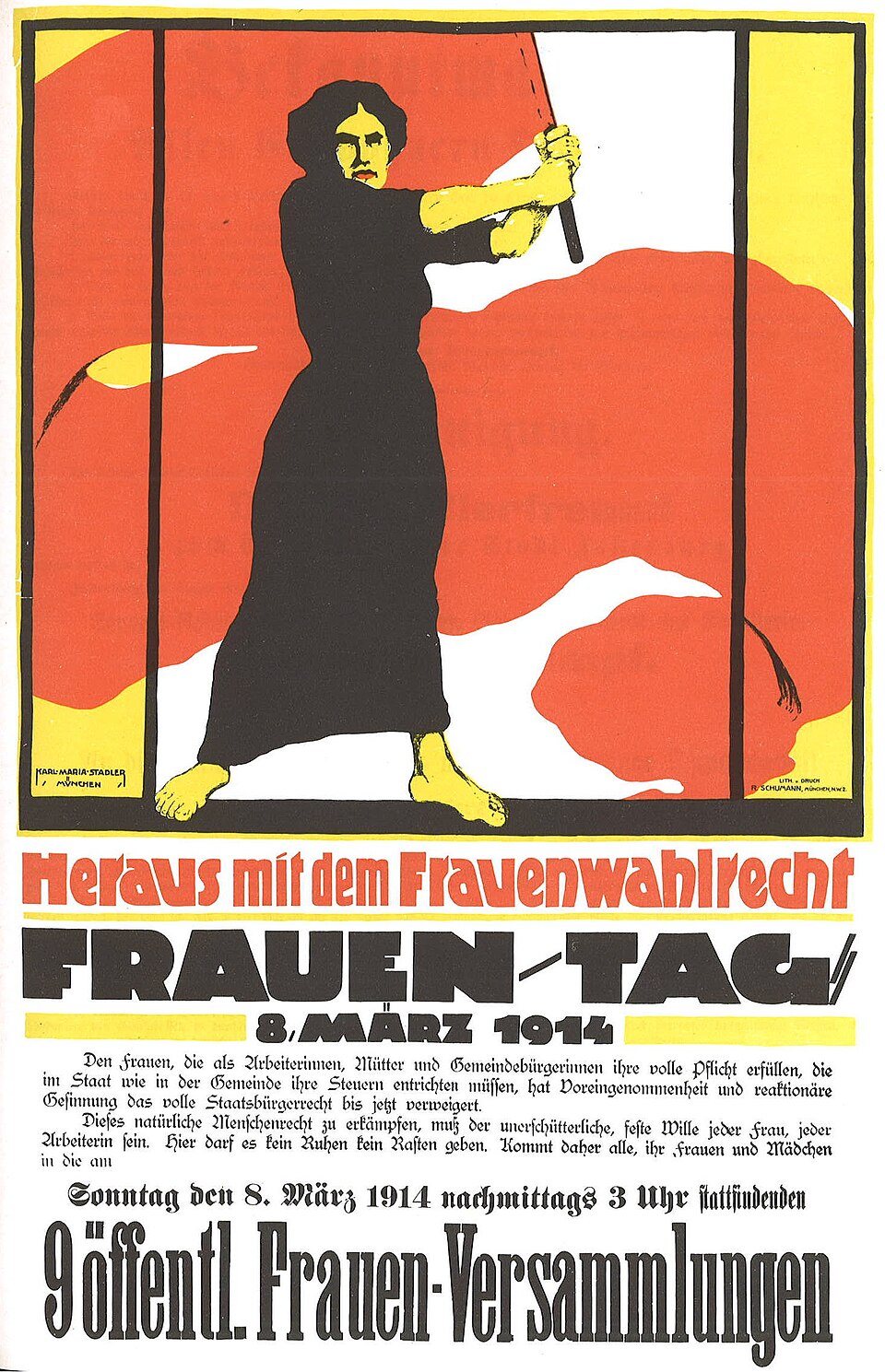
From 1908 to UN Recognition: The Evolution of Women's Day
The question, "Is Today National Women's Day?" often brings a moment of pause, revealing a rich and complex history behind a global movement. While many immediately think of International Women's Day on March 8th, the journey to honor women, advocate for their rights, and celebrate their achievements spans over a century and encompasses various significant dates around the world. This article delves into the origins and evolution of Women's Day, from its foundational moments in the early 20th century to its official recognition by the United Nations, highlighting key milestones and regional variations that contribute to its enduring legacy.
The Dawn of Women's Day: Early Stirrings in the United States (1908)
The earliest recorded celebrations that laid the groundwork for what we now know as Women's Day emerged from a fervent period of social and labor activism in the United States. In 1908, socialist groups and suffragettes organized the first "Women's Day" events in Chicago, Illinois, and New York City. These gatherings were not merely celebrations; they were powerful protests demanding better pay, shorter working hours, voting rights, and an end to gender discrimination in the workplace. Women garment workers, facing deplorable conditions and meager wages, were at the forefront of these early demonstrations, articulating grievances that resonated deeply with working-class women across the nation.
These initial events marked a pivotal moment, shifting the focus from individual acts of defiance to collective action aimed at systemic change. The determination displayed by these early advocates underscored a growing realization that women's rights were intertwined with broader social justice movements. It was a grassroots awakening, demonstrating that the fight for equality required unified voices and a dedicated day to amplify their demands, setting a precedent for future global observances.
Global Momentum: The Rise of International Women's Day (1911 and Beyond)
The spirit of the American Women's Day quickly transcended national borders. By 1911, the concept had blossomed into International Women's Day, celebrated across Austria, Denmark, Germany, and Switzerland. This truly global celebration drew over a million people to rallies worldwide, signaling an unprecedented surge in solidarity. The demands remained potent: universal suffrage, the right to hold public office, an end to discrimination in employment, and gender equality across all spheres of life.
The adoption of an international day was largely propelled by the Socialist Women's International, which sought to establish a lasting tradition for women's advocacy. While the exact date for International Women's Day solidified as March 8th later, these early 20th-century events were crucial in cementing its identity as a day for both celebration and militant protest. It wasn't just about acknowledging women; it was about galvanizing a movement to challenge deeply entrenched patriarchal structures and secure fundamental human rights for half of humanity. This era saw women uniting across diverse cultures and socioeconomic backgrounds, recognizing their shared struggles and the power of their collective voice.
A Unique Battleground: South Africa's August 9th Legacy
While the world was embracing International Women's Day, some nations forged their own unique paths to honor women's struggles, born from specific historical contexts. South Africa stands as a profound example with its own National Women's Day celebrated on August 9th. This date commemorates an iconic act of defiance against the brutal Apartheid regime, a system that systematically oppressed non-white citizens and inflicted particularly egregious gender discrimination, especially against Black women.
On August 9, 1956, over 20,000 women of all races from across South Africa marched to the Union Buildings in Pretoria, the seat of the Apartheid government. They were protesting the proposed amendments to the Urban Areas Act of 1950, which would force Black women to carry hated "passbooks" – internal passports used to control their movement. Led by figures like Lilian Ngoyi, Helen Joseph, Rahima Moosa, and Sophia Williams-De Bruyn, these women delivered more than 14,000 petitions to Prime Minister J.G. Strijdom's office. Following the delivery, they stood in a powerful 30-minute silent protest, their quiet dignity a stark contrast to the oppressive state. The march culminated in the singing of a protest song, "Wathint'Abafazi Wathint'imbokodo!" (Now you have touched the women, you have struck a rock!), a phrase that became synonymous with women's courage and resilience.
Almost four decades later, in 1995, a democratic South Africa officially declared August 9th as National Women's Day. This recognition was a direct tribute to the 1956 march, ensuring that the legacy of these brave women and their fight for freedom and equality would forever be etched into the nation's memory. It serves as a reminder of the unique challenges women faced under Apartheid and their pivotal role in dismantling it, offering a distinct and powerful narrative separate from the global March 8th observance.
UN Recognition and the Modern Global Movement
The global push for women's rights gained significant diplomatic backing in the mid-1970s. The United Nations, recognizing the pervasive nature of gender inequality and the critical role women play in development and peace, officially embraced the cause. In 1975, the UN celebrated its first official International Women's Day, signaling a momentous shift from a grassroots socialist movement to a globally recognized human rights agenda.
This was further solidified in 1977 when the United Nations General Assembly adopted a resolution encouraging member states to proclaim a Women's Day in accordance with their historical and national traditions, specifically urging the celebration in March. This resolution aimed to recognize the contribution of women to peace, social progress, and development, and to eliminate discrimination and enhance women's participation. The UN's endorsement transformed International Women's Day into a powerful platform for advocacy, setting annual themes that address pressing global issues affecting women, from economic empowerment and political participation to climate change and gender-based violence.
Today, International Women's Day on March 8th is observed by billions worldwide, often marked by demonstrations, educational events, and campaigns for gender parity. It serves as a stark annual reminder that despite significant progress, the fight for full equality continues. The UN's involvement elevated the discussion from national contexts to a universal imperative, fostering international cooperation and accountability for advancing women's rights on a global scale.
Clarifying the Dates: Is Today National Women's Day? Practical Tips for Engagement
So, to answer the question, "Is Today National Women's Day?" depends entirely on where you are and which observance you are referring to. Globally, the most widely recognized date for International Women's Day is March 8th, a day championed by the United Nations for universal recognition of women's rights and world peace. However, if you are in South Africa, August 9th is celebrated as National Women's Day, commemorating the historic 1956 march. Other countries may also have specific national days honoring women, reflecting their unique histories and struggles.
Regardless of the specific date, the spirit of Women's Day remains consistent: a dual commitment to celebrating the achievements of women and accelerating the movement towards gender equality. Here are practical ways you can engage with the ongoing evolution of Women's Day:
- Educate Yourself: Learn about the historical context and ongoing issues facing women globally and in your local community. Understand the difference between International Women's Day and national observances like South Africa's.
- Support Women-Led Initiatives: Invest in or volunteer for organizations that empower women, promote gender equality, or provide support services to women and girls.
- Advocate for Change: Speak out against gender discrimination, challenge sexist remarks, and support policies that promote equal opportunities, pay, and representation.
- Celebrate Women: Acknowledge and appreciate the women in your life—mothers, sisters, friends, colleagues, leaders—for their contributions and resilience.
- Promote Inclusivity: Ensure that your efforts for gender equality are intersectional, considering the diverse experiences of women from different backgrounds, races, ethnicities, and socio-economic statuses.
Conclusion
The journey of Women's Day, from its militant roots in 1908 to its global UN recognition, illustrates a relentless and ongoing struggle for equality. It's a testament to the courage of countless women who have challenged the status quo, demanding recognition, justice, and peace. Whether observed on March 8th or August 9th, or any other day, Women's Day serves as a powerful reminder that while progress has been made, the fight for full gender equality is far from over. It calls upon each of us to reflect on the past, celebrate the present, and actively work towards a more equitable future for all women, every single day.